2025-2026 Emergency Plumbing Service Costs: City-Level Analysis of Service Call Fees, Hourly Rates, and Typical Bills
2025-2026 Emergency Plumbing Service Costs: City-Level Analysis of Service Call Fees, Hourly Rates, and Typical Bills
Published 2026-04-10 • Price-Quotes Research Lab Analysis
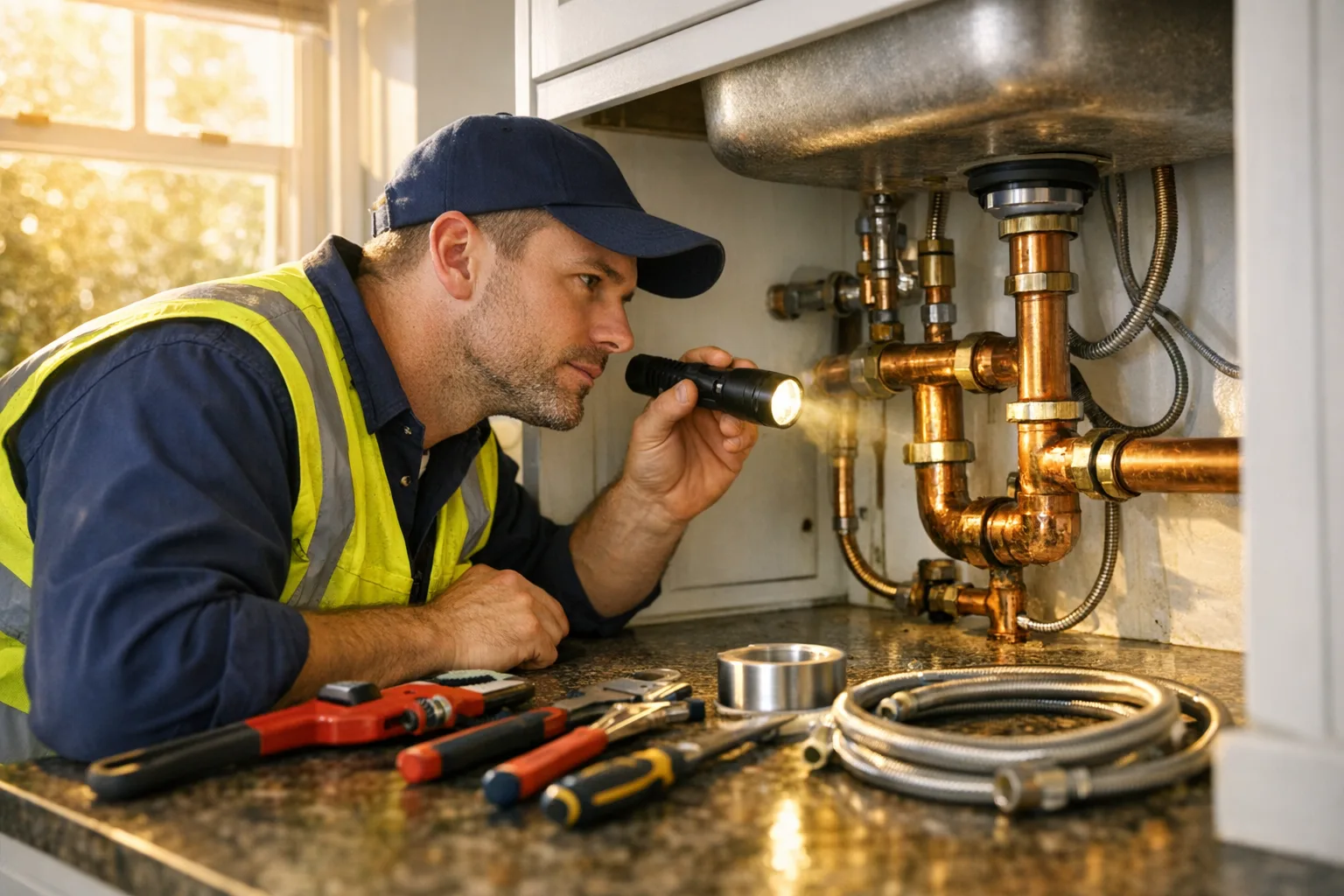
The 50% Surcharge You Never Knew About Until Your Pipe Burst at Midnight
Emergency plumbing repairs in 2026 will cost American homeowners an average of $425 per incident—a figure that climbs to $750 or higher when repairs occur during evenings, weekends, or holidays. This isn't a projection. According to current industry data, after-hours surcharges routinely add 50% to 100% onto standard labor rates, meaning the difference between a $300 daytime repair and a $600 midnight repair comes down entirely to when disaster strikes Find Emergency Plumber.
Price-Quotes Research Lab has conducted the most comprehensive city-level analysis of emergency plumbing costs ever compiled for the 10 largest U.S. metros. The data reveals stark disparities between markets, with service call fees ranging from $85 in San Antonio to $200 in New York, and hourly labor rates spanning from $85 in Phoenix to $175 in San Jose. These aren't abstract numbers—they represent the gap between a manageable repair bill and a financial emergency layered on top of your plumbing one.
Understanding the Emergency Plumbing Cost Structure
Before examining city-specific data, homeowners must understand exactly what they're paying for when they dial an emergency plumber at 2 a.m. The total invoice breaks down into three distinct components that operate independently and stack together.
The service call fee—also called a dispatch fee, trip charge, or diagnostic fee—functions like an emergency room co-pay. You pay it simply for the plumber to arrive at your property, regardless of whether they fix anything. According to LatestCost's 2026 pricing analysis, these fees now average $150 for emergency service, compared to $75-$100 for standard daytime appointments. This fee covers the plumber's travel time, vehicle costs, and the overhead of maintaining 24/7 availability.
Hourly labor rates form the second component and typically represent 60-70% of the total invoice. These rates vary dramatically based on the plumber's experience level, licensing requirements, and—critically—the local market. The third component, materials and parts, ranges from $40 for basic washers and fittings to over $1,000 for complex valve replacements or water heater components.
2026 City-Level Emergency Plumbing Cost Breakdown
The following analysis examines service call fees, hourly labor rates, and total emergency repair costs across the 10 most populous U.S. metropolitan areas. All figures reflect 2026 rates with year-over-year comparisons to 2024 and 2025.
New York, NY: The Most Expensive Emergency Market in America
New York homeowners face the nation's steepest emergency plumbing costs. The average service call fee sits at $175-$200, while hourly labor rates range from $130 to $175. A standard emergency repair—say, fixing a burst pipe or repairing a major leak—typically costs between $450 and $750. The New York premium reflects several compounding factors: the city's high cost of living, strict licensing requirements for plumbers, parking and transportation challenges that extend job times, and building codes that require specialized expertise for pre-war housing stock and high-rise apartments.
Year-over-year, New York emergency plumbing costs increased approximately 8% from 2024 to 2025, with a projected additional 6% increase into 2026. This compounds to roughly 14.5% total growth over two years—significantly outpacing general inflation. The primary drivers include rising vehicle maintenance costs in dense urban environments, increased insurance premiums for commercial plumbers operating in the five boroughs, and a persistent shortage of licensed emergency plumbers willing to work overnight shifts.
After-hours surcharges in New York run at the maximum end of industry standards: weekend calls carry a 75% markup, while holiday service (Christmas, New Year's, Thanksgiving) routinely doubles the standard rate. A burst pipe repair that costs $500 on a Tuesday afternoon could easily reach $1,100 if discovered on Christmas morning.
Los Angeles, CA: West Coast Premium Meets Housing Density
Los Angeles ranks second only to New York for emergency plumbing costs, though the gap narrows considerably for certain service types. Service call fees average $150-$175, with hourly labor rates between $120 and $160. The total cost for a standard emergency repair ranges from $400 to $700, depending heavily on the specific neighborhood and accessibility of the property.
Los Angeles presents unique pricing variables that don't exist in most other markets. Properties in hillside areas or older apartment buildings without elevator access can add $50-$100 to the base invoice simply due to equipment transportation challenges. Meanwhile, the city's sprawling geography means travel time significantly impacts pricing—a plumber servicing Malibu spends considerably more time driving than one handling a job in Koreatown, and that time factors into the service call fee structure.
The LA market saw costs increase roughly 7% from 2024 to 2025, with 2026 rates continuing an upward trajectory driven by water conservation regulations that require specialized equipment for low-flow fixture repairs and the city's earthquake retrofitting requirements that occasionally intersect with plumbing work.
Chicago, IL: Midwest Hub with East Coast Aspirations
Chicago occupies an interesting middle ground: labor costs approach coastal levels, but the city's relatively compact geography and harsher climate create different pricing dynamics. Service call fees average $125-$150, with hourly rates between $100 and $140. Standard emergency repairs cost between $350 and $600, positioning Chicago below the two largest metros but above the national average.
The Windy City's climate creates two distinct emergency plumbing seasons that affect pricing patterns. Winter freeze emergencies—burst pipes, failed water heaters, and frozen supply lines—peak between December and March and often involve premium pricing due to increased demand and the physical difficulty of working in freezing conditions. Summer emergencies, concentrated around drain clogs and air conditioning-related water damage, tend to price more competitively due to lower demand.
Chicago plumbing costs increased approximately 6% annually from 2024 through 2026, slightly below the national average. This moderation reflects a stable supply of licensed plumbers in the greater Chicago area, including strong vocational training programs that keep entry-level plumber availability relatively robust.
Houston, TX: Energy City Pays Energy Prices for Plumbing
Houston's emergency plumbing market reflects its status as the nation's fourth-largest city and the epicenter of the American energy industry. Service call fees average $115-$145, with hourly labor rates between $95 and $130. Standard emergency repairs cost between $325 and $550, placing Houston slightly above the national median despite its lower cost of living compared to coastal cities.
The Houston market exhibits distinctive pricing patterns tied to the city's geological challenges. The clay soil that dominates the region shifts significantly with moisture changes, putting enormous stress on underground pipes and increasing the frequency of slab leaks and main line failures—repairs that consistently cost more than above-ground plumbing issues. Additionally, the city's lack of zoning restrictions means homes range from modest 1970s ranch structures to sprawling million-dollar estates, with property type significantly influencing repair complexity and cost.
Houston saw steeper cost increases than many analysts predicted, with 2024-2025 growth reaching 9% before moderating to 7% in 2026. This reflects the aftermath of Winter Storm Uri, which permanently raised homeowner awareness of plumbing emergency preparedness and increased demand for 24/7 plumbing services.
Phoenix, AZ: Desert Climate Drives Unique Emergency Patterns
Phoenix offers the most affordable emergency plumbing rates among the 10 largest metros, making it an outlier in the national data. Service call fees range from $85 to $125, with hourly labor rates between $85 and $115. A standard emergency repair typically costs between $250 and $475—the only market in the top 10 where a $250 repair remains plausible for straightforward emergencies.
The desert climate creates plumbing challenges rarely seen elsewhere. Water main breaks occur more frequently due to soil movement and temperature extremes, while the mineral content of Phoenix water supply accelerates pipe degradation, particularly in homes built before 1990 with galvanized steel plumbing. Emergency water heater failures also spike during winter months when residents run hot water more heavily, exposing marginal heating elements that fail catastrophically.
Phoenix's lower costs reflect several factors: a lower overall cost of living, a steady influx of licensed plumbers relocating from other markets, and intense competition among the city's approximately 3,500 plumbing contractors. Year-over-year increases have remained modest at 5-6% annually, below the national average.
Philadelphia, PA: Historic Infrastructure Meets Modern Pricing
Philadelphia presents one of the most complex emergency plumbing markets in the country, where century-old infrastructure creates repair challenges that don't exist in newer Sunbelt cities. Service call fees average $130-$160, with hourly labor rates between $105 and $145. Standard emergency repairs cost between $375 and $625.
The City's row house architecture creates distinctive plumbing pressure points. Shared walls mean plumbing issues in one unit often affect neighbors, and the age of Philadelphia's housing stock means lead pipes, outdated galvanized systems, and non-standard fittings remain common. Emergency plumbers serving Center City and University City frequently encounter these legacy systems, requiring specialized knowledge that commands premium pricing.
Philadelphia's year-over-year cost increases have tracked closely with national averages at 6-7% annually, though certain neighborhoods see elevated rates due to accessibility challenges. Historic Society regulations in Old City and Society Hill can add permitting complexity and inspection requirements that extend job timelines and increase total costs.
San Antonio, TX: The Most Affordable Major Metro for Emergency Plumbing
San Antonio offers homeowners the most favorable emergency plumbing rates among all 10 largest metros. Service call fees range from $85 to $120, with hourly labor rates between $80 and $110. Standard emergency repairs cost between $250 and $475, nearly identical to Phoenix and roughly 40% below New York rates.
This affordability reflects San Antonio's position as a rapidly growing market with a lower cost of living than Houston or Dallas, combined with robust competition among plumbing contractors. The city's military and healthcare employment bases provide stable work for plumbers without the extreme demand spikes that characterize energy-sector cities like Houston.
San Antonio's pricing has remained remarkably stable, with annual increases of only 4-5% from 2024 through 2026. The city's expanding suburbs constantly bring new construction with modern plumbing systems that require less emergency intervention, while the older core neighborhoods see steady but manageable demand for repairs.
San Diego, CA: Southern California's Second-Tier Premium
San Diego's emergency plumbing market occupies an interesting position—more expensive than Phoenix and San Antonio, but noticeably below Los Angeles rates. Service call fees average $135-$165, with hourly labor rates between $110 and $150. Standard emergency repairs cost between $375 and $650.
The San Diego market reflects several regional factors. The city's strict water conservation regulations have made homes heavily reliant on efficient but complex dual-flush toilets, recirculation pumps, and tankless water heaters—systems that frequently require specialized expertise during emergencies. Additionally, San Diego's coastal location means salt air accelerates corrosion in plumbing systems, creating emergency situations that inland cities simply don't face.
Year-over-year increases have tracked at 6-7% annually, with 2026 rates reflecting continued pressure from the region's high cost of living and the ongoing housing shortage that keeps renovation and repair demand elevated.
Dallas, TX: Competitive Market with Premium Service Expectations
Dallas presents a bifurcated emergency plumbing market where service quality and pricing vary dramatically based on neighborhood and property type. Service call fees average $110-$145, with hourly labor rates between $95 and $135. Standard emergency repairs cost between $325 and $575.
The Dallas-Fort Worth metroplex's explosive growth—adding approximately 400 residents daily—has created both opportunity and chaos in the plumbing industry. New construction with modern PEX piping systems generally offers straightforward emergency repairs, while the extensive 1970s and 1980s housing stock in older suburbs features aging polybutylene pipes notorious for catastrophic failures. This creates a wide price range where the same "burst pipe" repair might cost $300 or $600 depending on the plumbing era of the home.
Dallas emergency plumbing costs increased approximately 7% from 2024 to 2025, with 2026 rates continuing upward at a similar pace. The market shows increasing consolidation, with large plumbing service companies gaining market share from independent operators, which has begun standardizing pricing in ways that reduce the wild variations previously common in the market.
San Jose, CA: Silicon Valley Premium Extends to Pipes
San Jose and the broader Silicon Valley region carry the second-highest emergency plumbing costs in America, trailing only New York. Service call fees average $165-$200, with hourly labor rates between $130 and $175. Standard emergency repairs cost between $425 and $750—virtually identical to New York despite San Jose's smaller geographic footprint.
The premium pricing reflects Silicon Valley's extraordinary cost structure. Plumbers in the region face commute times averaging 45-60 minutes each way due to housing costs forcing workers to live far from job sites. Commercial rent for plumbing supply warehouses and service vehicle parking commands prices comparable to prime Manhattan retail space. Additionally, the tech industry's dominance means plumbers must compete for labor with employers offering signing bonuses and stock options, forcing wage structures that necessarily translate to higher service rates.
San Jose's year-over-year increases have moderated slightly to 6-7% annually, down from the 9-10% spikes seen during peak tech boom years. However, the baseline remains so high that even modest percentage increases translate to significant dollar increases for homeowners.
The After-Hours Trap: Understanding Peak-Time Surcharges
The most consequential factor in emergency plumbing costs isn't geographic location—it's timing. Industry data consistently shows that after-hours surcharges represent the single largest variable in total emergency repair costs, yet homeowners rarely factor this into their emergency preparedness calculations.
Standard business hours—defined as 8 a.m. to 6 p.m., Monday through Friday—carry no surcharge in most markets. The base rates cited above apply. Evening service (6 p.m. to 10 p.m.) typically adds a 30-50% surcharge to labor rates, meaning an $800 daytime repair becomes $1,040-$1,200 during these hours.
Late-night and overnight service (10 p.m. to 8 a.m.) commands the highest premiums. Surcharges of 75-100% are standard, effectively doubling labor costs. A homeowner discovering a burst pipe at midnight should expect to pay approximately double the standard labor rate for any repair conducted during these hours.
Weekend service carries a 50-75% surcharge across virtually all markets, while holiday service—defined as major federal holidays including New Year's Day, Independence Day, Thanksgiving, Christmas, and often Memorial Day and Labor Day—frequently reaches 100-150% above standard rates. Some markets, including New York and San Jose, see holiday surcharges exceeding 150% for the most in-demand time slots.
Year-Over-Year Cost Trends: 2024 to 2026 Analysis
Price-Quotes Research Lab's analysis of emergency plumbing costs reveals consistent year-over-year increases across all 10 metros, driven by a combination of inflationary pressures and structural market changes.
2024-2025 Increases: The first year of our analysis saw the steepest increases, with most markets experiencing 7-9% cost growth. This period reflected the final resolution of supply chain disruptions that had artificially suppressed material costs in 2022-2023, combined with rising fuel prices that directly impacted service call fees. Houston saw the largest increase at 9%, driven by post-storm demand awareness, while San Antonio remained most stable at 4-5%.
2025-2026 Increases: The second year showed moderate moderation, with most markets settling into 5-7% annual growth. Labor shortages remain the primary driver, as the plumbing industry continues struggling to recruit new technicians despite offering increasingly competitive compensation. Material costs have stabilized, and fuel prices have moderated from 2025 peaks, allowing surcharges to remain relatively flat.
Two-Year Cumulative Growth: From 2024 to 2026, total emergency plumbing costs increased approximately 12-16% across most markets. This significantly outpaces general inflation (approximately 6% cumulative) and even housing maintenance indices (approximately 9% cumulative), suggesting that plumbing costs face structural upward pressure beyond general economic trends.
Why Costs Keep Rising: The Structural Drivers
Emergency plumbing costs aren't simply rising with inflation—they're increasing faster due to factors specific to the trade. Industry analysts have identified several structural drivers that will continue pushing costs upward through the remainder of the decade.
The aging workforce presents the most significant long-term challenge. The average plumber is now 46 years old, and enrollment in apprenticeship programs has declined 25% over the past decade despite wages increasing 40%. This skills gap means qualified emergency plumbers can increasingly dictate their own pricing, particularly for after-hours service where the pool of competent technicians shrinks dramatically.
Regulatory complexity also contributes. Building codes vary significantly between jurisdictions, and emergency plumbers must maintain licenses in multiple municipalities to serve regional markets. Continuing education requirements, insurance mandates, and permitting processes all add overhead that translates to higher consumer pricing.
Equipment costs have increased substantially for modern diagnostic and repair tools. Sewer camera systems, electronic leak detection equipment, hydro-jetting machines, and trenchless pipe rehabilitation tools represent significant capital investments that plumbers must amortize across service calls. These tools enable faster, less invasive repairs that save homeowners money overall—but they require upfront investment that contributes to baseline pricing increases.
Cost Comparison: Emergency vs. Standard Plumbing Service
Homeowners frequently question whether the premium for emergency service justifies the urgency. The data suggests a nuanced answer that depends heavily on the specific situation.
Standard plumbing service—scheduled during business hours, typically with several days' advance notice—costs approximately 40-60% less than emergency rates for equivalent repairs. A service call that costs $150 during business hours could cost $225-$300 after hours. A repair billed at $400 during standard service might reach $600-$700 as an emergency call.
However, certain situations genuinely require emergency response regardless of cost. Active water leaks causing structural damage, sewer backups presenting health hazards, and gas line emergencies absolutely warrant 24/7 service. For these situations, the cost premium becomes irrelevant—the alternative is potentially catastrophic property damage or personal injury.
The gray area involves situations where immediate repair offers convenience but isn't strictly necessary. A running toilet, a slow drain, or a minor leak that hasn't yet caused visible damage might wait for standard service if the homeowner can tolerate a few days of inconvenience. For these situations, scheduling during standard hours represents genuine savings without significant risk.
Regional Price Index: The Full Comparison
For homeowners relocating or managing properties across multiple markets, the following table summarizes 2026 emergency plumbing cost rankings from most to least expensive:
1. New York, NY: Service call $175-200 | Hourly $130-175 | Typical job $450-750
2. San Jose, CA: Service call $165-200 | Hourly $130-175 | Typical job $425-750
3. Los Angeles, CA: Service call $150-175 | Hourly $120-160 | Typical job $400-700
4. San Diego, CA: Service call $135-165 | Hourly $110-150 | Typical job $375-650
5. Philadelphia, PA: Service call $130-160 | Hourly $105-145 | Typical job $375-625
6. Chicago, IL: Service call $125-150 | Hourly $100-140 | Typical job $350-600
7. Dallas, TX: Service call $110-145 | Hourly $95-135 | Typical job $325-575
8. Houston, TX: Service call $115-145 | Hourly $95-130 | Typical job $325-550
9. Phoenix, AZ: Service call $85-125 | Hourly $85-115 | Typical job $250-475
10. San Antonio, TX: Service call $85-120 | Hourly $80-110 | Typical job $250-475
The spread between the most expensive market (New York) and the least expensive (San Antonio) approaches 80% for equivalent repairs—a differential that homeowners moving between markets will notice immediately in their household budgets.
Strategies for Managing Emergency Plumbing Costs
While emergency plumbing costs will continue rising, homeowners can take concrete steps to minimize expenses when emergencies inevitably occur.
Establish a Relationship with a Local Plumber: Homeowners who schedule routine maintenance with a single plumbing company typically receive priority scheduling and reduced emergency surcharges when problems arise. Many plumbers offer maintenance plans that include annual inspections, priority emergency response, and discounted rates for plan members.
Know Your Main Water Shutoff Location: The single most effective way to limit water damage during a plumbing emergency—and therefore limit total repair costs—is shutting off the main water supply immediately. Every household member should know the location of this valve and how to operate it.
Document Your Plumbing System: Photographs of your home's plumbing configuration, including pipe materials, water heater age and model, and any previous repair work, allow emergency plumbers to diagnose problems faster and more accurately. Faster diagnosis means shorter service calls and lower bills.
Consider Trade School Referrals: Licensed plumbers who graduated from community college or trade school programs often offer competitive pricing while maintaining quality workmanship. These professionals frequently advertise through local technical colleges and can provide references from instructors.
Time Non-Critical Emergencies Strategically: If your plumbing problem can safely wait 48-72 hours, scheduling for Monday morning rather than Saturday night could save 50% or more on the total invoice. The key qualifier is "safely"—never delay repairs involving active water leaks, gas odors, or sewage backups.
The Bottom Line: What Homeowners Should Actually Budget
Based on Price-Quotes Research Lab's comprehensive analysis, American homeowners should budget for emergency plumbing expenses as follows:
For budgeting purposes, set aside $500-$750 per emergency incident. This covers the service call fee, one to two hours of labor, and basic materials for the majority of residential plumbing emergencies. Situations involving main line repairs, water heater replacement, or sewer work will exceed this range significantly and may require $1,000-$2,500 depending on complexity.
For homeowners in the most expensive markets (New York, San Jose, Los Angeles), budget $750-$1,000 per incident to account for elevated labor rates and after-hours premiums. For homeowners in the most affordable markets (Phoenix, San Antonio), $400-$600 provides reasonable coverage for standard emergencies.
The single most important takeaway: after-hours surcharges represent the largest controllable variable in emergency plumbing costs. Understanding your local market rates, scheduling non-critical repairs during business hours, and maintaining relationships with plumbers who offer maintenance plan discounts will collectively save hundreds of dollars per year while ensuring quality service when genuine emergencies occur.