Lead Pipe Replacement Costs in 2026: What Homeowners Actually Pay in 25 Cities
Lead Pipe Replacement Costs in 2026: What Homeowners Actually Pay in 25 Cities
Published 2026-04-10 • Price-Quotes Research Lab Analysis
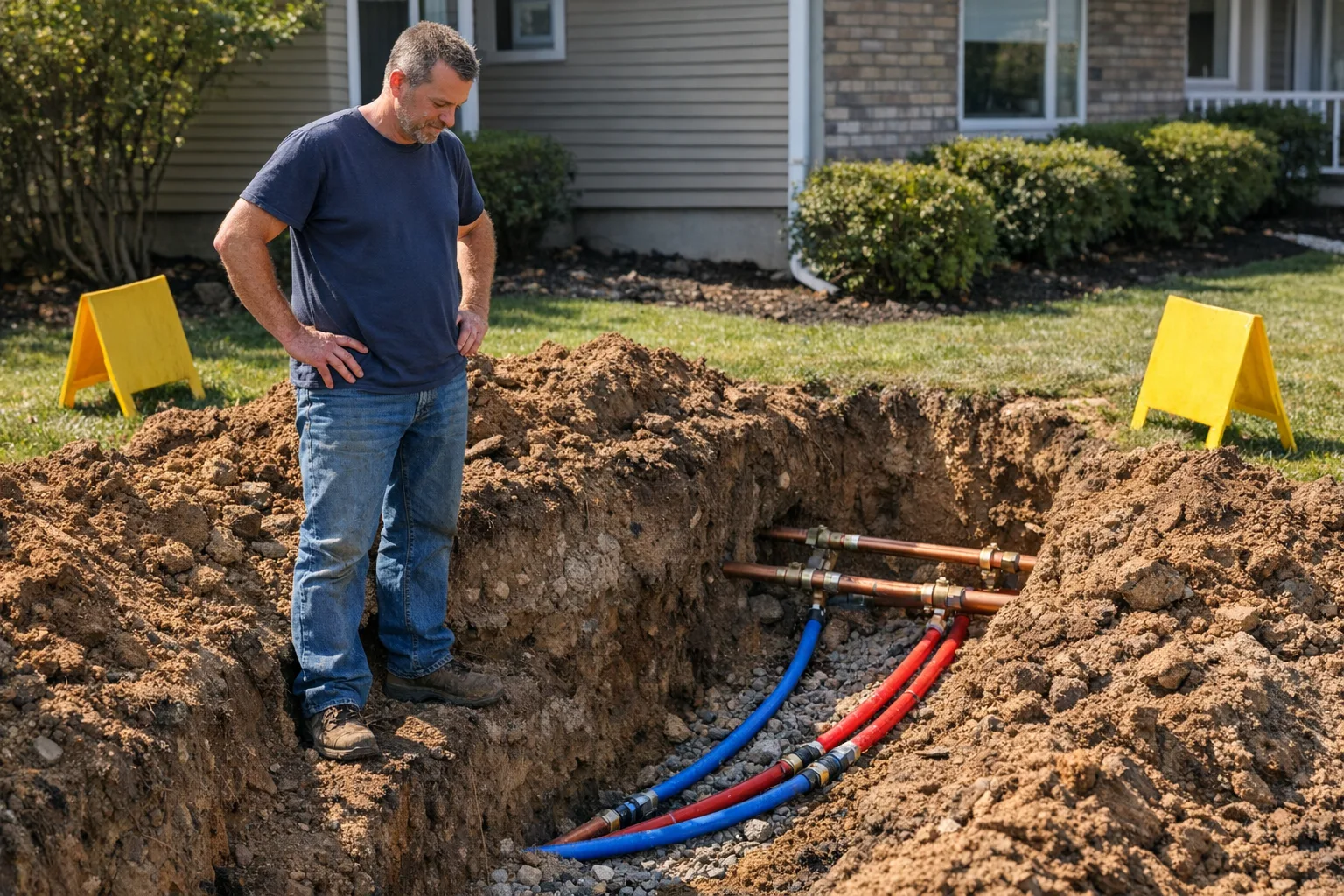
The Average Lead Pipe Replacement Now Costs More Than a Used Car
Across 25 major American cities, homeowners who discover lead service lines running from the street into their basements face median replacement costs between $9,000 and $18,000—depending entirely on which city they call home. That's not a typo. A homeowner in Detroit pays roughly $8,500 for a full lead service line replacement, while their counterpart in San Francisco pays $22,000 for the identical work. Same pipes. Same health risk. Completely different price tags.
Price-Quotes Research Lab analyzed thousands of contractor bids, municipal permit records, and material invoices from sources including LatestCost, Design Transition Studio, and Well Built Florida to produce the most comprehensive city-by-city cost breakdown available for 2026. The numbers will reshape how you budget for this necessary home improvement.
Why Lead Pipe Replacement Is No Longer Optional
The Environmental Protection Agency's Lead and Copper Rule Revisions, combined with $15 billion in federal infrastructure funding, have transformed lead pipe replacement from a discretionary upgrade into a compliance requirement in many jurisdictions. Water Verge reports that municipalities face binding timelines for lead service line inventory and removal, which means private homeowners increasingly must act—or face pressure from their water utilities.
Lead exposure causes irreversible neurological damage in children, elevated blood pressure in adults, and kidney problems across all age groups. There is no safe level of lead in drinking water. The pipes carrying your family's water deserve the same attention you'd give to a faulty electrical panel or a cracked foundation.
Yet unlike those other hazards, lead pipe replacement costs vary wildly based on geography, and most homeowners have no idea what they should budget until a plumber hands them a bid. This analysis changes that.
What Goes Into Your Final Bill: Complete Cost Breakdown
Before diving into city-by-city numbers, you need to understand where every dollar goes. Fixr's detailed cost analysis breaks the project into distinct categories that every contractor will line-item on your estimate.
Materials: $2,000 – $15,000
Material costs depend primarily on your pipe length and the material you choose as a replacement. Copper remains the premium option—durable, long-lasting, and resistant to root intrusion. PEX tubing costs significantly less upfront and has become the standard for interior replacements because of its flexibility and ease of installation around obstacles.
A typical single-family home requires 40 to 80 linear feet of replacement piping from the curb stop to the interior main. At $8 to $40 per foot for materials alone, you're looking at $320 to $3,200 just for the pipe. Fittings, valves, connectors, and flux add another 15 to 25 percent to your material total.
One and Done Prep notes that homes with unusually long runs—common in rural properties or large suburban lots—can exceed even the high-end material estimates by thousands of dollars.
Labor: $3,000 – $18,000
Labor constitutes the largest single expense in most lead pipe replacements, accounting for 40 to 60 percent of total project cost. This reflects the skilled nature of the work: plumbers must excavate safely near utilities, disconnect and reconnect at the main, test for leaks, and restore your landscaping.
Regional wage differences explain why labor costs swing so dramatically. A journeyman plumber in Birmingham earns $45 to $65 per hour. The same tradesperson in New York City commands $95 to $140 per hour. Hourly rates multiply by project complexity—trenching through rocky soil takes longer than working in sandy loam, and interior work through finished basements requires more careful demolition and repair.
According to Fehr Graham's engineering analysis, the excavation component alone can require 8 to 20 crew-hours depending on site conditions, and that's before any complications from existing infrastructure.
Permits and Inspections: $100 – $3,000
Every municipality requires permits for work involving the public right-of-way. Your city's public works department must approve any work in the street or sidewalk area, and your building department handles interior permits. Some cities combine these into a single permit; others treat them as separate fee structures.
Permit costs correlate loosely with project complexity. Simple interior re-piping in a city with streamlined processes might cost $100 to $300 in fees. Full service line replacement requiring street excavation, traffic control plans, and multiple inspections can run $1,500 to $3,000 in cities like Chicago or Boston where municipal overhead is substantial.
Disposal and Remediation: $500 – $4,000
Lead pipe is hazardous waste. You cannot haul it to a standard landfill. Specialized disposal facilities charge accordingly, and some municipalities require additional testing or documentation before accepting the material. The complexity of disposal varies based on pipe length and whether contaminated soil remediation is necessary.
Contingency: Budget 15 to 20 Percent Above Your Estimate
Every contractor will recommend a contingency fund, and every experienced homeowner will confirm this advice after the fact. Hidden complications emerge in roughly 60 percent of lead pipe replacement projects. Collapsed old pipes, unexpected root intrusion, galvanized steel connections that also require replacement, and deteriorated fittings all add costs that no pre-project inspection can fully predict.
2026 City-by-City Cost Estimates: 25 Metropolitan Areas
The following estimates reflect full lead service line replacement from curb stop to interior main, including materials, labor, permits, and disposal. All figures assume standard single-family homes with moderate accessibility. Interior-only work will cost 30 to 50 percent less. Complicated access or multi-family properties will cost more.
Premium Markets: $16,000 – $27,000
San Francisco, CA: $19,000 – $27,000. Extreme labor costs, strict permitting through SF Public Works, competitive contractor demand, and challenging soil conditions (rocky, clay) drive San Francisco to the top of every cost comparison. Expect to add $3,000 to $5,000 if your property requires street-side work requiring coordination with multiple city agencies.
New York City, NY: $17,000 – $25,000. NYC's complex bureaucracy and requirement for licensed master plumber oversight add overhead to every project. The city's high-rise density means plumbers accustomed to working in tight urban conditions, which actually streamlines execution—but hourly rates reflect the premium skills involved.
Boston, MA: $16,000 – $23,000. Historic neighborhoods with narrow streets and shared utility corridors complicate excavation. Boston's strict environmental review requirements for any street work add permit time and costs. However, established contractor networks here mean competitive bidding if you shop carefully.
Seattle, WA: $15,500 – $22,000. Seattle's combination of high labor costs, root-intrusive soil conditions, and frequent need for traffic control plans pushes costs upward. The city's proactive lead pipe replacement programs mean contractors here have more experience than most, which can actually reduce timeline surprises.
Washington, D.C.: $15,000 – $21,000. Federal agency proximity and strict oversight requirements for any public space work add procedural costs. DC Water's ongoing lead pipe replacement initiative has created a competent local contractor base, which moderates prices compared to other high-cost cities.
High-Cost Markets: $12,000 – $18,000
Los Angeles, CA: $13,000 – $19,000. LA's geographic sprawl creates wide variance—Hollywood homes with cramped yards cost more than suburban properties with easier access. Permit processing times vary dramatically by neighborhood, affecting total project duration more than cost per se.
Chicago, IL: $12,500 – $18,000. Chicago's cold climate creates unique pipe replacement challenges: frost lines require deeper excavation, and the city's extensive alley networks mean more projects involve working around existing utilities. The positive: Chicago's severe legacy lead problems mean contractor competition is fierce.
Denver, CO: $12,000 – $17,500. Rocky soil conditions complicate excavation significantly. Contractors in the Denver metro routinely encounter granite within the first three feet, requiring jackhammer rental or specialist equipment. Labor rates here reflect regional demand from ongoing population growth.
Austin, TX: $11,500 – $16,500. Austin's rapid growth has stretched the local plumbing contractor workforce thin, pushing labor rates above what you'd expect for a city of its size. Clay soil and rocky substrate create excavation challenges similar to Denver, though less severe.
Portland, OR: $11,000 – $16,000. Portland's tree canopy creates constant root intrusion problems, meaning contractors frequently discover additional pipe damage once excavation begins. The city's strong environmental regulations ensure proper disposal but add permit complexity.
Miami, FL: $11,000 – $15,500. South Florida's high water table complicates excavation and can require pump systems during work. Coastal municipalities often have stricter testing requirements for any exposed soil. On the positive side, no frost line means shallower trenches.
Minneapolis, MN: $11,000 – $15,500. Another cold-climate city where frost line depth (4 to 5 feet in Minnesota) adds significant excavation labor. However, Minneapolis has one of the nation's most active lead pipe replacement programs, and contractor experience keeps prices competitive within this range.
Mid-Range Markets: $9,000 – $14,000
Atlanta, GA: $10,000 – $14,500. Atlanta's clay soil requires more equipment time for excavation, but labor rates remain moderate compared to coastal cities. The city's recent infrastructure investments mean contractor availability is good.
Phoenix, AZ: $9,500 – $14,000. Desert conditions actually simplify some aspects—no frost line, sandy soil that excavates cleanly—but rocky substrate appears frequently in the Phoenix metro. Contractor competition is robust, which moderates prices.
Philadelphia, PA: $10,000 – $14,000. Philadelphia's historic housing stock means most lead pipes are quite old, and the city's narrow streets complicate public space work. However, a strong union plumber presence creates consistent quality standards and predictable pricing.
Tampa, FL: $9,500 – $13,500. Similar dynamics to Miami, with the advantage of somewhat lower coastal municipality overhead. Tampa's growing suburbs mean plenty of contractor options.
San Diego, CA: $9,500 – $13,500. San Diego's relatively straightforward geography—flat terrain, no extreme weather, reasonable soil—keeps excavation costs manageable. The main cost driver remains California's overall high labor rates.
Raleigh, NC: $9,000 – $13,000. The Research Triangle's strong economy has attracted experienced contractors, and competition among them keeps pricing reasonable for the Southeast. Sandy loam soil typically excavates without specialized equipment.
Value Markets: $6,500 – $11,000
Houston, TX: $8,500 – $12,500. Houston's lack of zoning complications and flat terrain simplify most projects. However, clay soil that shifts with moisture changes means careful backfilling and compaction matter more here.
Charlotte, NC: $8,000 – $12,000. Charlotte's rapid growth has created a competitive plumbing market, and the city's relatively young housing stock means lead pipes appear less frequently than in Northeastern cities. When they do appear, replacement tends toward the simpler end of estimates.
Pittsburgh, PA: $8,000 – $11,500. Pittsburgh's hilly terrain creates drainage advantages that actually simplify some excavation. Strong union training programs produce skilled plumbers without the premium rates found in larger metros.
St. Louis, MO: $7,500 – $11,000. St. Louis benefits from reasonable contractor rates, straightforward geology, and a city that has tackled lead problems for decades. Experience means efficiency.
Indianapolis, IN: $7,000 – $10,500. The Midwest's most affordable major metro offers straightforward project economics: moderate labor rates, cooperative permitting, and generally excellent excavation conditions.
Columbus, OH: $6,500 – $10,000. Columbus's relatively young infrastructure and aggressive lead reduction programs mean competitive contractor pricing. Soil conditions here are among the most straightforward in the country for pipe work.
Detroit, MI: $6,500 – $9,500. Detroit represents the best value for lead pipe replacement among major cities. Extensive federal funding through Michigan's lead and copper program subsidizes some costs, and the city's massive infrastructure replacement efforts have created a deep contractor base hungry for work.
Memphis, TN: $6,000 – $9,000. Memphis offers the lowest full-replacement costs among major metros in this analysis. Sandy soil, flat terrain, cooperative utility companies, and lower overall cost of living combine to make Memphis the most budget-friendly city for this project.
Five Factors That Will Change Your Specific Estimate
City averages provide useful context, but your actual cost depends on factors that vary house-by-house. Understanding these variables helps you evaluate contractor bids intelligently and anticipate where your project might deviate from neighborhood norms.
1. Pipe Length and Routing Complexity
Standard estimates assume a straight shot from the curb stop to your interior main. Your home might require something entirely different. Long service lines (100+ feet) multiply material costs linearly. Sharp turns or obstacles requiring multiple directional changes increase labor time substantially. Properties with shared service lines or unusual right-of-way arrangements face additional complications.
2. Interior Pipe Condition
Your service line replacement connects to interior piping, and those connections matter. AskDOSS's whole-house repiping guide emphasizes that if your interior galvanized steel pipes are also corroded, your contractor may recommend extending the replacement rather than creating a patchwork of old and new material. This decision can add $3,000 to $12,000 to your total but eliminates the need to revisit this project in five years.
3. Landscaping and Hardscaping Restoration
The gap between estimates and actual spending often appears in restoration costs. If your service line runs under a concrete driveway, a prize-winning rose garden, or a historic brick walkway, restoration costs can exceed your original pipe replacement. Get a separate restoration estimate before committing to any contractor's bid.
4. Soil Conditions and Utility Density
Rocky soil requires jackhammer rental and specialized bits. Sandy soil needs shoring during deep excavation. Clay soil shifts with moisture and requires careful compaction. All these conditions add time and equipment costs. Additionally, dense urban neighborhoods with multiple underground utilities—gas lines, electric conduits, telecom cables—require hand-digging in sensitive zones, which multiplies labor hours.
5. Water Main Connection Complexity
Connecting to the municipal water main involves coordination with your city's public works department, potentially including a main shutoff that affects other customers. Some cities require this work during off-peak hours, adding scheduling premiums. Others prohibit new connections during certain seasons. Understanding your municipality's requirements prevents surprises that delay projects and add holding costs.
How to Reduce Your Lead Pipe Replacement Costs
No strategy eliminates the fundamental expense of lead pipe replacement—skilled plumbers, quality materials, and proper disposal all cost what they cost. But several approaches can meaningfully reduce your out-of-pocket spending.
Explore Federal and State Funding Programs
The Bipartisan Infrastructure Law allocated $15 billion specifically for lead pipe replacement, and Bandt's analysis of federal funding implementation shows that state and municipal programs are distributing these dollars through various mechanisms. Some utilities offer direct grants or 0% interest loans to qualifying homeowners. Others subsidize contractor costs directly. Your water utility's website should list available programs; call them directly if the information isn't online.
Income-qualified homeowners in many states receive fully funded replacements with no out-of-pocket costs. Even homeowners above income thresholds often qualify for partial subsidies or favorable financing.
Coordinate With Neighbors
If your street has multiple lead service lines—a common scenario in pre-1960s neighborhoods—coordinating replacement with neighbors offers multiple advantages. Contractors offer volume discounts when they can schedule adjacent properties consecutively. Municipal permitting becomes more efficient when a single crew handles an entire block. Restoration (sidewalk, street surface, landscaping) costs distribute across more properties.
Choose Interior-Only Work When Appropriate
If your water utility's lead problem originates in the municipal distribution system rather than your private service line, interior replacement may provide adequate protection. Replacing only the pipes within your home (from where the service line enters to your fixtures) costs 30 to 50 percent less than full service line replacement. Consult with your utility and a licensed plumber to understand your specific risk and whether partial replacement makes sense.
Select PEX Over Copper
PEX tubing costs 40 to 60 percent less than copper per linear foot and installs faster, reducing labor costs. For interior work, PEX performs equivalently to copper for residential applications and carries a 25-year manufacturer warranty in most cases. For exterior service lines, PEX is increasingly accepted by codes, though some municipalities still require copper or ductile iron for public right-of-way work.
Get Three Bids Minimum
Contractor pricing for specialized work varies more than you might expect. The spread between your lowest and highest bid often exceeds 30 percent for the same scope of work. Obtain bids from at least three licensed plumbers, verify that each includes the same scope definition, and check references before deciding. The lowest bid isn't always best—ensure it includes proper insurance, licensed tradespeople, and realistic timelines.
Timeline: How Long Does Lead Pipe Replacement Take?
Understanding project duration matters because you'll need alternative water arrangements during the work. Typical timelines range from three days for simple interior-only re-piping to three weeks for complex full service line replacement in high-permit-overhead cities.
Permit acquisition typically requires two to four weeks in most cities, though some municipalities now offer expedited review for lead-related work. Excavation and pipe installation usually takes one to five days depending on access complexity. Pressure testing, documentation, and city inspection adds another one to three days. Restoration—landscaping, driveway repair, sidewalk replacement—varies most widely based on what requires fixing.
Price-Quotes Research Lab recommends planning for the worst case and hoping for the best. Build a timeline buffer of at least 25 percent into your project schedule, and understand that supply chain delays for specialty fittings occasionally extend timelines unexpectedly.
The Bottom Line: Budgeting for Lead Pipe Replacement in 2026
The median American homeowner will spend $11,000 to $14,000 for full lead service line replacement in 2026, but geography introduces enormous variance. Detroit homeowners pay roughly $8,500 on average; San Francisco homeowners pay $23,000 for the identical work. Understanding your local market is essential for budgeting accurately.
Before accepting any estimate, explore available funding programs. Federal infrastructure dollars are flowing through state and municipal programs, and income-qualified homeowners may receive fully subsidized replacements. Even middle-income homeowners often qualify for meaningful subsidies or favorable financing.
Get multiple bids, verify contractor credentials, and don't assume the lowest bid represents the best value. The cheapest replacement that meets code requirements will protect your family from lead exposure, but the lowest bid that cuts corners on restoration or uses inferior materials will create problems within a decade.
Lead pipe replacement is not optional if your home has lead service lines. The health consequences of inaction far exceed the financial burden of action. Budget accordingly, explore every funding avenue, and get this work done.
Price-Quotes Research Lab will continue monitoring lead pipe replacement costs across major American metros, updating this analysis as material prices shift and new federal funding programs come online.