The $500 Wake-Up Call
That midnight pipe burst behind your drywall just became your most expensive home repair of the year. Emergency plumbing service calls averaged $500 in the first quarter of 2026, according to industry tracking data—a 23% jump from the same period in 2024. Weekends and holidays push that number past $700. Insurance adjusters are seeing claims spike, and the underlying causes show no sign of easing.
Price-Quotes Research Lab has been monitoring these trends for three years. The data tells a grim story: plumbing emergencies used to be an inconvenience. Now they're a financial event.
Copper, Labor, and the After-Hours Premium
Three forces are crushing homeowners simultaneously. First, copper piping prices surged 18% year-over-year as global commodities reacted to supply chain disruptions and energy costs. A standard repiping job that cost $4,500 in 2024 now runs $6,200 before any emergency premiums.
Second, licensed plumbers remain in brutally short supply. The trades lost an entire generation during the 2008-2020 construction lull, and training new apprentices takes years. Emergency calls require the most experienced technicians—and those professionals charge accordingly. A standard business-hours drain cleaning runs $150-250. That same job at 11 PM on Sunday costs $400-550.
Third, the overhead for after-hours response has compounded. Trucks running overnight, on-call dispatch staff, and the wear on crews who can't plan their sleep schedules all factor into what industry insiders call the "3 AM tax".
"I've been doing this 22 years. I've never seen prices move this fast. Two years ago, I could fix a water heater for $800. Now it's $1,400, and the parts cost the same. Labor and trucks and insurance—that's where it goes." —Master plumber, Tampa
What's Driving the Spike
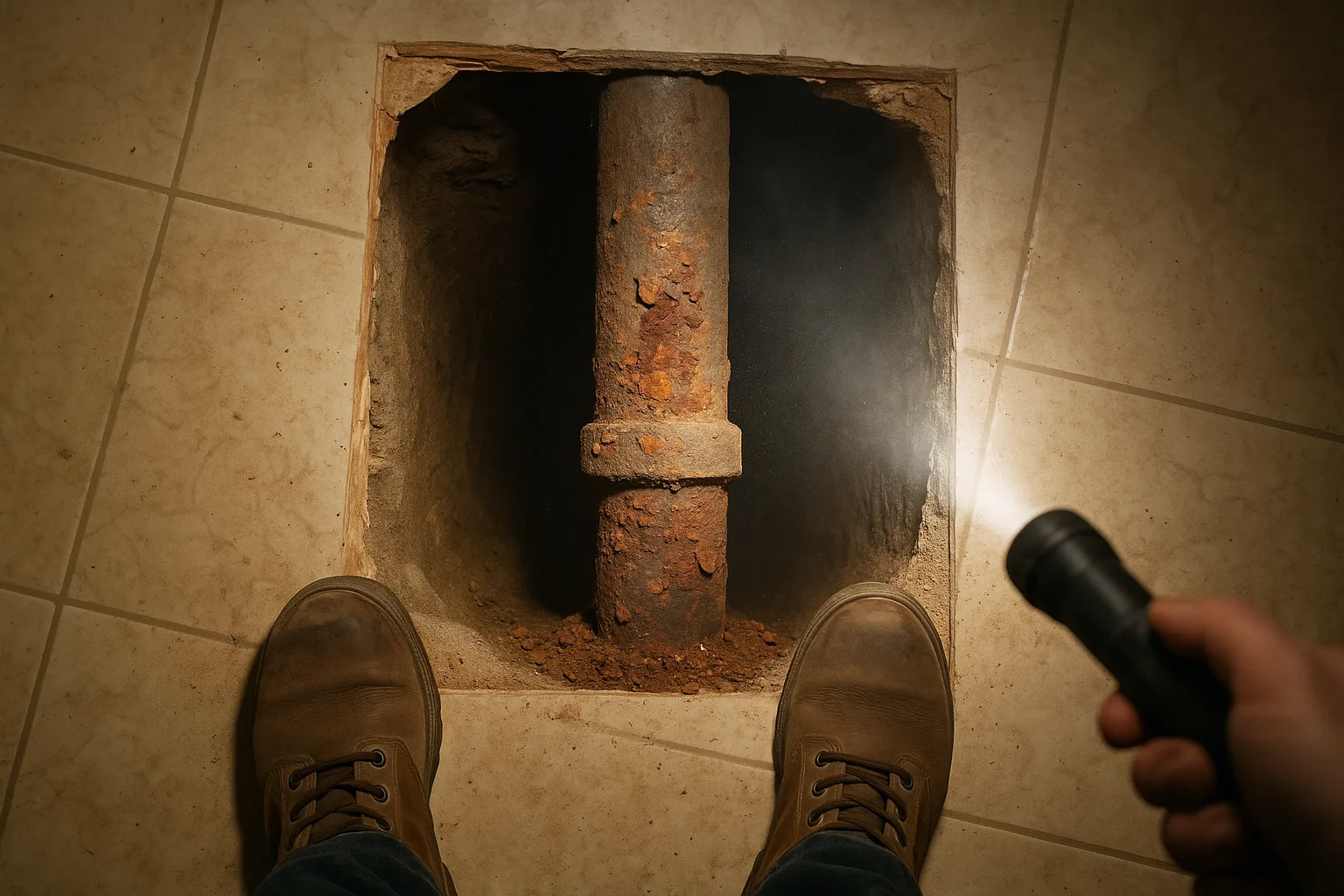
The housing stock isn't helping. More than 60% of American homes built before 1980 still have their original galvanized steel plumbing, according to census remodeling data. That pipe is 40-50 years past its designed lifespan. Corrosion, pinhole leaks, and sudden failures are inevitable. Insurance companies report a 34% increase in water damage claims from plumbing failures since 2023.
Climate change is adding a wrinkle nobody discussed five years ago. Freeze-thaw cycles in previously temperate zones are cracking pipes that never needed winterizing. Houston, Dallas, and Atlanta now see significant pipe failures during cold snaps that would have been unremarkable a decade ago.
Water heater failures remain the single most common emergency call, responsible for roughly 30% of after-hours plumbing service requests. Tank units older than 12 years fail at rates that insurers have started treating as near-certainties rather than rare events.
The Hidden Costs Nobody Talks About
Most homeowners focus on the plumber's bill. They don't factor in the secondary damage. A 15-minute leak under a sink, if unnoticed overnight, can saturate subflooring, warp hardwood, and spawn mold remediation bills that dwarf the original repair. Water damage restoration averages $3,200 per incident, and insurance carriers have tightened coverage terms for repeat claims.
The real money pit is repiping. Whole-house repiping in a 2-bathroom home runs $8,000-15,000 depending on geographic market. In coastal cities with higher labor costs, $20,000 is no longer shocking. Homeowners are making difficult choices between absorbing that cost and risking catastrophic failure.
What You Can Actually Do
Price-Quotes Research Lab recommends a two-pronged approach. First, know your plumbing's age and material. If you have galvanized steel, copper worn thin by acidic water, or polybutylene (the 1970s-90s disaster pipe), get a professional inspection. Budget for replacement within three years rather than waiting for failure.
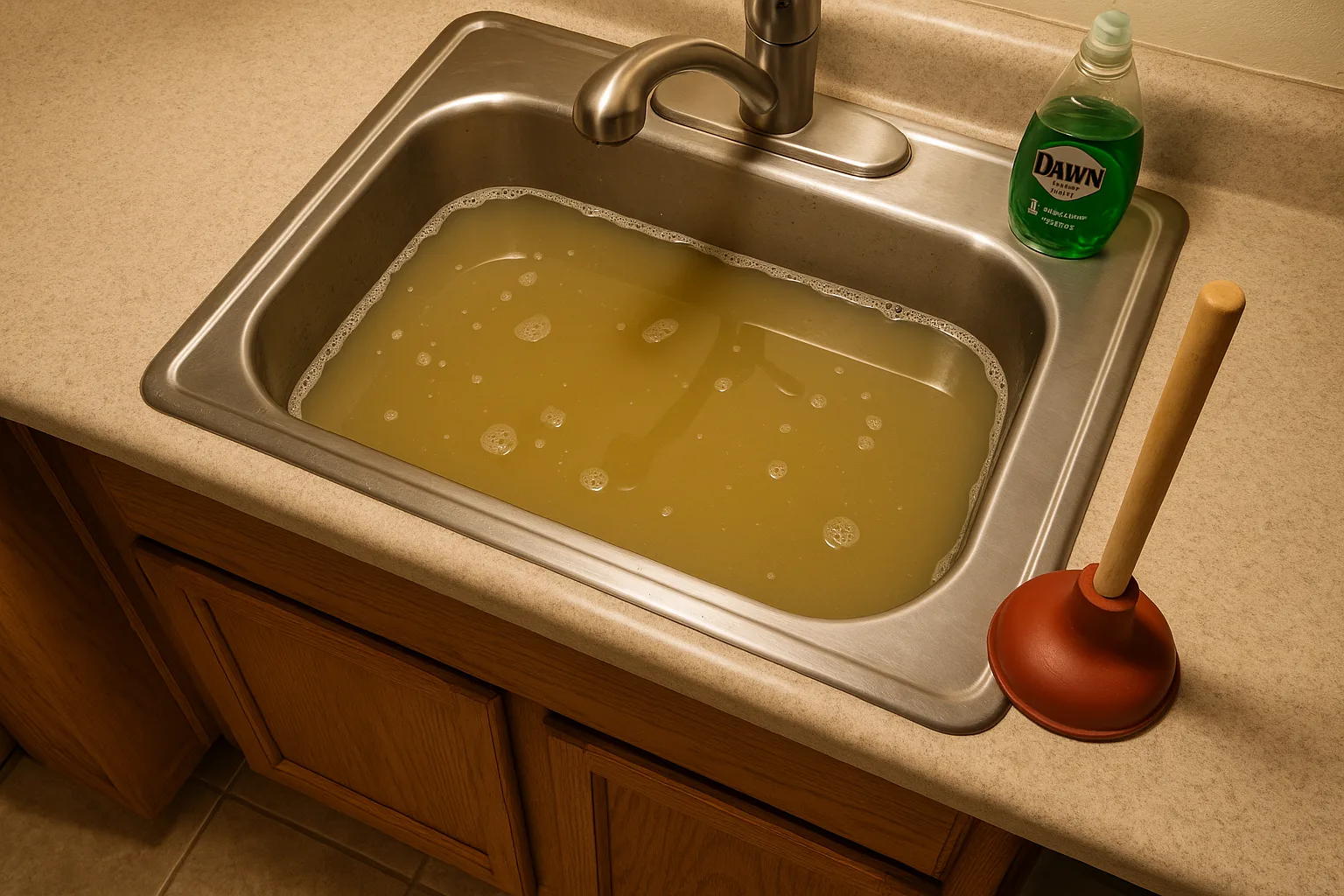
Second, never ignore slow drains, low water pressure in one fixture, or discolored water. These are precursors to emergency failures. A $200 drain cleaning today prevents a $2,000 water extraction bill tomorrow.
The 2026 plumbing emergency isn't a crisis you can prevent entirely. But understanding what's driving costs—and acting before failure rather than after—can save you thousands.
Sources: