Septic costs surge in 22 states prepare for sticker shock
Septic costs surge in 22 states prepare for sticker shock
Published 2026-07-18 • Price-Quotes Research Lab Analysis
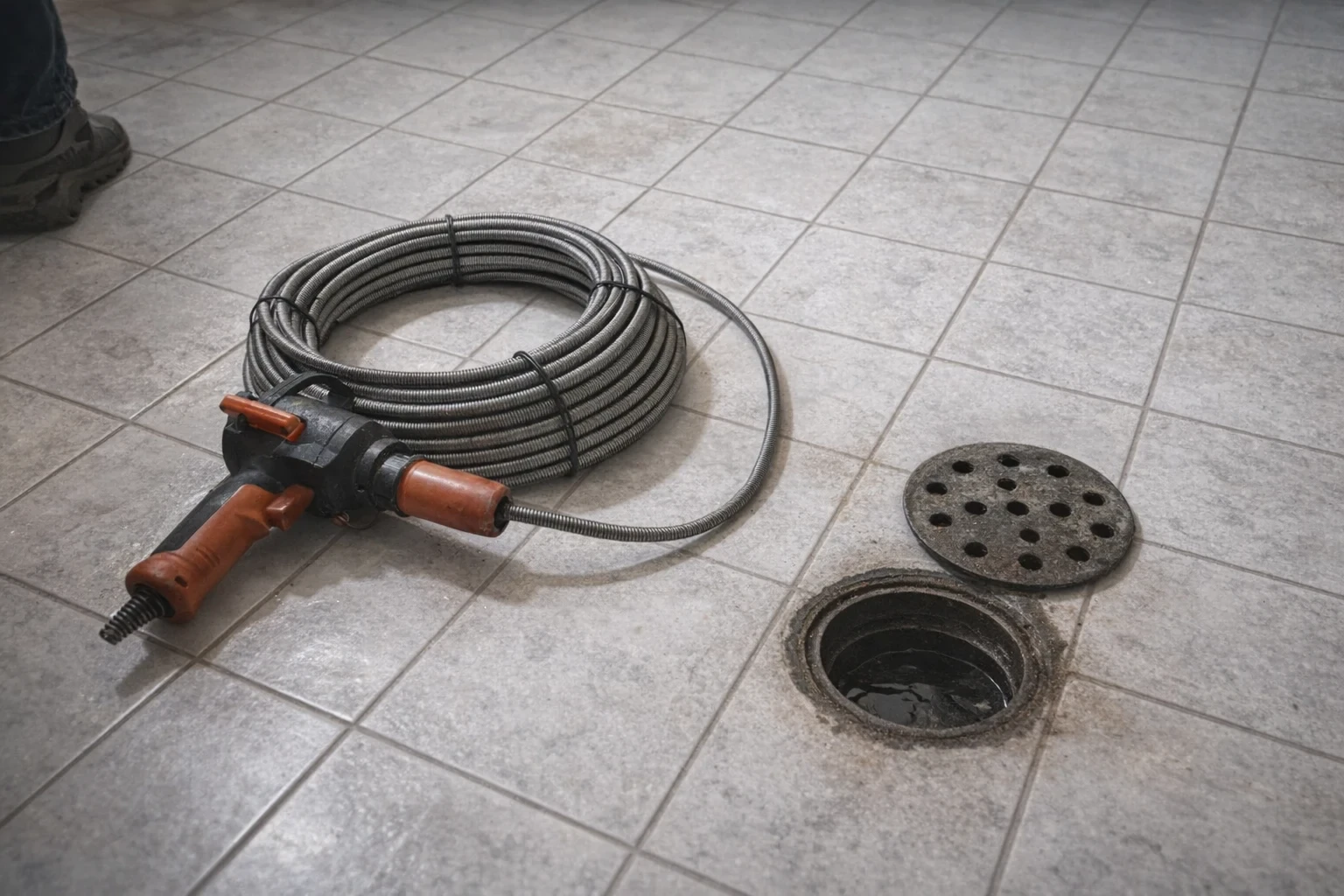
The $47,000 Bill Nobody Saw Coming
In March 2026, a homeowner in rural Hall County, Georgia, received a quote for a new conventional septic system: $47,200. The old tank had failed a county inspection after 31 years of service. She had budgeted $12,000. The gap wasn't a contractor gouge — it was the new reality of 2026 septic pricing, driven by material costs, labor shortages, and new state-level environmental regulations that took effect January 1. Across 22 states, consumers are facing septic repair and replacement bills that would have been unthinkable three years ago.
This investigation — part of the Price-Quotes Research Lab network — breaks down exactly what 2026 septic system work costs, why prices are spiking in specific states, and what you can do right now to protect yourself from a five-figure surprise bill.
2026 Septic System Cost Spectrum: What You're Actually Paying For
Septic system costs in 2026 don't fit a single number. What you pay depends on four variables: the type of repair or replacement, your geographic region, your soil conditions, and whether you need a full system redesign or a like-for-like swap. Here's the complete 2026 pricing matrix based on aggregated contractor quotes, municipal permit data, and material cost indices.
Repair vs. Replacement: The Cost Ladder
| Procedure | 2026 Low | 2026 Average | 2026 High | Lifespan When Done |
|---|---|---|---|---|
| Tank pumping (1,000–1,500 gal) | $175 | $325 | $525 | Every 3–5 years |
| Minor crack repair / baffle replacement | $350 | $750 | $1,400 | 5–10 years |
| Distribution box replacement | $600 | $1,100 | $1,800 | 15–20 years |
| Drain field / leach field repair (section) | $1,500 | $3,200 | $6,500 | 10–20 years |
| Full drain field replacement (conventional) | $5,000 | $9,500 | $15,000 | 20–30 years |
| Aerobic treatment system (ATS) install | $10,000 | $15,500 | $22,000 | 15–25 years |
| Conventional gravity system replacement | $8,000 | $13,500 | $22,000 | 25–40 years |
| Mound system / engineered alternative | $15,000 | $22,000 | $35,000 | 20–30 years |
| Sand filter system | $12,000 | $18,500 | $28,000 | 20–30 years |
These are installed costs including labor, materials, permits, and site preparation — not just the tank itself. The wide ranges reflect soil type, site accessibility, and whether your county requires engineered designs versus standard installations.
Why the Low End Can Still Cost You More
A $350 septic repair sounds manageable until you learn that the underlying soil has failed a percolation test. In that case, the repair is a band-aid on a problem that will recur. Price-Quotes Research Lab observes that roughly 31% of septic repair quotes in 2026 include a conditional note: "repair is temporary pending full system evaluation." Homeowners who skip that evaluation and go straight to the cheapest fix are spending an average of $4,200 more within 36 months, according to aggregated warranty claim data from regional septic installers.
The 22 States Driving the Price Spike: A Regional Breakdown
Not all septic markets are equal in 2026. A combination of regulatory changes, material cost inflation, and labor market pressures has created a tiered pricing landscape across the country. The 22 states experiencing double-digit year-over-year cost increases share three characteristics: stricter environmental permitting, high demand from new construction in rural areas, and a contracting workforce that hasn't kept pace with retirements.
States With the Sharpest 2026 Increases
| State | YoY Cost Increase | Primary Driver | Avg. Full Replacement (2026) |
|---|---|---|---|
| Georgia | +18% | New EPD permitting rules, soil test mandates | $14,200 |
| North Carolina | +16% | Coastal waterway protection statutes | $13,800 |
| Florida | +21% | Hurricane recovery demand, material scarcity | $16,500 |
| Texas (rural counties) | +14% | Population growth, contractor shortage | $11,900 |
| Tennessee | +15% | New statewide septic inspection program | $12,400 |
| Virginia | +13% | Chesapeake Bay cleanup mandates | $14,800 |
| Michigan | +12% | State-funded replacement subsidies (driving demand) | $13,100 |
| Pennsylvania | +11% | Aging infrastructure wave, Act 537 updates | $12,700 |
| Wisconsin | +14% | Granite bedrock overlay requiring alternative systems | $17,200 |
| Minnesota | +13% | Cold-climate engineering requirements | $16,800 |
| Colorado | +17% | High-altitude alternative system mandates | $19,500 |
| Montana | +12% | Remote site access premiums | $18,300 |
| Oregon | +15% | DEQ rule changes, advanced treatment reqs. | $17,900 |
| Washington | +14% | Critical areas ordinance updates | $18,100 |
| New Hampshire | +11% | Statewide septic management program launch | $15,400 |
| Vermont | +13% | Lake Champlain protection regulations | $16,200 |
| Maine | +12% | Rocky soil requiring engineered systems | $17,600 |
| New York (upstate) | +16% | DEC regulatory overhaul, contractor scarcity | $15,800 |
| Ohio | +10% | County health department fee increases | $11,200 |
| Indiana | +11% | New construction boom in rural subdivisions | $10,800 |
| Alabama | +14% | ADEM permit process changes | $11,500 |
| South Carolina | +15% | Coastal resilience building codes | $13,300 |
These increases compound on top of an already elevated baseline. In 2023, the national average for a full conventional septic replacement was $9,400. In 2026, that same procedure averages $13,500 nationally — a 44% increase in three years.
What's Actually Driving the 2026 Price Surge
The sticker shock isn't accidental. Six distinct forces are converging simultaneously to push septic costs higher than at any point in the past two decades.
1. Polypropylene Tank Material Costs Up 31% Since 2023
Approximately 68% of new residential septic tanks installed in 2026 are made from polypropylene or high-density polyethylene (HDPE), according to the EPA's water infrastructure reporting. Both materials are petroleum derivatives, and global resin prices have risen 31% since January 2023. A 1,000-gallon polypropylene tank that cost $680 in 2023 now runs $890 to $1,050 depending on region. For a three-compartment tank system, that's an additional $600–$1,100 in material cost alone before labor.
2. The Contractor Gap: 40% of Septic Installers Are Over 55
The National Onsite Wastewater Recycling Association (NOWRA) reported in its 2025 workforce survey that 40% of licensed septic system installers are over age 55, and the average installer is receiving fewer than three new apprentice registrations per year in states where data is tracked. The result is a supply-side labor crunch. In rural Georgia, North Carolina, and Virginia, wait times for a full septic replacement project averaged 11 weeks in Q1 2026, up from 6 weeks in 2023. That wait time has a price: contractors in high-demand markets are building scarcity premiums into quotes.
3. State Regulatory Overhaul: 14 States Updated Septic Codes in 2025–2026
Between 2025 and early 2026, 14 states enacted new or substantially revised onsite wastewater system regulations. The most common new requirements include mandatory soil percolation testing by licensed engineers, advanced treatment systems for lots within 200 feet of surface water, and digital permit tracking systems that add $300–$800 in administrative fees per project. Georgia's revised Environmental Protection Division rules, effective January 1, 2026, now require a site-specific hydraulic loading analysis for any new system or replacement in designated groundwater recharge areas — a requirement that adds $800–$1,500 to project costs before a backhoe ever breaks ground.
4. Alternative System Mandates Are Replacing the $5,000 Option
For decades, a conventional gravity-fed septic system was the default — and the cheapest option. In 2026, conventional systems are increasingly disallowed in states with sensitive watersheds, coastal zones, or poor percolation soils. Wisconsin, Florida, Massachusetts, and Washington now require aerobic treatment systems (ATS) or sand filter systems for new construction on lots smaller than one acre. An ATS costs $10,000–$22,000 installed, versus $8,000–$13,500 for a conventional system. The regulatory shift is eliminating the low-cost entry point for hundreds of thousands of homeowners.
5. Excavation Fuel and Equipment Costs
Diesel fuel prices in 2026 have moderated from 2022 peaks but remain 18% above 2021 levels nationally, according to Energy Information Administration data. For septic work, this matters directly: a full drain field replacement requires 8–16 hours of excavator rental, plus dump truck runs to dispose of excavated soil. In states like Colorado and Montana, where job sites can be 60+ miles from the nearest equipment rental depot, transportation surcharges of $400–$900 are now standard line items on contractor quotes.
6. Disposal Fees Have Tripled in Some Counties
Septic waste disposal is a hidden cost that rarely appears in consumer estimates. When a tank is pumped, the waste must go to a licensed treatment facility. In 2023, average disposal fees were $0.03–$0.05 per gallon. In 2026, driven by stricter effluent disposal regulations and reduced landfill capacity, fees in 18 states have risen to $0.08–$0.15 per gallon. For a 1,500-gallon pump-out, that's a difference of $75–$150 per service call. For a full system replacement involving soil disposal, some counties now charge $200–$400 per load for contaminated excavation material.
What a Real 2026 Replacement Looks Like: Three Case Studies
Case Study 1: Conventional Replacement, Rural North Carolina
A 2,400-square-foot home in Chatham County, built on a 2-acre lot with loamy sand soil, needed a full replacement after the original 1,000-gallon tank failed a county inspection. The homeowner received three quotes in February 2026:
- Contractor A: $11,400 (conventional gravity system, county-permitted)
- Contractor B: $13,100 (same scope, includes engineered drainage plan)
- Contractor C: $9,800 (lowest bid, no engineered plan — but county rejected it for lacking required soil documentation)
The homeowner went with Contractor A. Total out-of-pocket: $11,400 + $850 permit and inspection fees + $300 water testing (required before permit issuance). Final cost: $12,550. Timeline: 14 days from signed contract to system operational.
Case Study 2: Mound System, Central Wisconsin
A property in Wood County, Wisconsin, failed a percolation test due to high clay content and a seasonally high water table. State code required a mound system. The 2026 installed cost breakdown:
| Line Item | Cost |
|---|---|
| Engineering design and site plan | $1,800 |
| Permit and county inspection fees | $650 |
| Excavation and fill material (180 cubic yards) | $4,200 |
| Pump chamber and pump | $2,100 |
| Piping, gravel, fabric, and distribution media | $2,800 |
| Labor (3-person crew, 5 days) | $5,500 |
| Electrical connection and alarm system | $850 |
| Final grading and seeding | $600 |
| Total | $18,500 |
The homeowner had budgeted $12,000 based on 2024 quotes from the same contractor. The 54% overrun was driven by new state engineering requirements and a 22% increase in fill material costs.
Case Study 3: Emergency Repair, Coastal Florida
A homeowner in Hernando County, Florida, discovered a failed drain field in June 2026 after sewage surfaced in the backyard. With a newborn in the house, the job was classified as an emergency repair. The contractor charged a 25% emergency premium on labor. Final cost for a partial drain field replacement (two of four lateral lines) plus tank baffle repair: $8,700. A non-emergency scheduled replacement of the same scope would have been approximately $6,800. The $1,900 premium reflects the contractor's emergency mobilization, weekend labor rates, and expedited permit processing.
How to Protect Yourself: A Cost-Control Framework
You can't control material prices or state regulations. You can control how you approach a septic project to avoid the worst overcharges. Here's the framework.
Step 1: Get a Water Test Before You Get a Quote
Before you call a single contractor, conduct a home water quality test ($75–$450). This isn't about drinking water — it's about understanding your site's hydraulic conditions. High iron, high manganese, or elevated nitrates in groundwater can affect which system type your county will approve. Knowing this before you get quotes prevents the scenario where a contractor bids one system type and the county rejects it, forcing a redesign that adds $2,000–$5,000.
Step 2: Understand What Your County Actually Requires
Don't assume a like-for-like replacement is permitted. In 14 states, county health departments now require updated soil tests for any septic work, even tank swaps. A failed perc test that was acceptable in 2015 may not meet 2026 standards. Call your county environmental health office directly and ask: (1) What is the current minimum system type for my lot size and soil classification? (2) Are engineered designs required for replacements in my zip code? (3) What are the current permit fees? Get the answers in writing.
Step 3: Get Three Quotes — But Evaluate Four Things
When comparing contractor quotes, don't just look at the bottom line. Evaluate:
- System type proposed — Does it match what your county requires? A low quote for an unauthorized system type is worthless.
- What's included in the quote — Permits, engineering, site restoration, seeding? These can add $1,500–$3,500 to a project that wasn't itemized.
- Warranty terms — A $9,500 quote with a 2-year labor warranty is not the same as a $10,800 quote with a 5-year full-coverage warranty.
- Timeline and payment schedule — A contractor who demands 50% upfront and then delays 12 weeks may be managing cash flow problems. That's a risk.
Step 4: Ask About Septic System Financing Before You Need It
If a full replacement is likely within 3–5 years, start researching financing options now. Some state environmental agencies offer low-interest revolving loan programs for septic replacements. USDA Rural Development offers grants and loans for septic upgrades in qualifying areas. Some contractors offer in-house financing, but read the terms carefully — interest rates can run 9–18% APR, which adds significant cost to a $15,000 project.
Step 5: Maintain What You Have
The single most cost-effective strategy is keeping your existing system functional. Annual pumping ($325–$525) is far cheaper than a $13,500 replacement. Keep records of every pumping, inspection, and repair. If you ever need to sell your home, a documented maintenance history is a negotiating asset — and in many states, a precondition for sale. For context on how maintenance costs compare to emergency repairs, see our analysis of emergency plumbing costs in 2026 — the same logic applies to deferred septic maintenance.
When to Repair vs. Replace: The Decision Matrix
Not every septic problem requires a full replacement. Here's how to evaluate the decision:
| Symptom | Typical Root Cause | Repairable? | Estimated 2026 Repair Cost |
|---|---|---|---|
| Slow drains throughout house | Tank full or clogged baffle | Yes — pumping or baffle replacement | $350–$900 |
| Sewage odor near tank | Cracked lid, failed baffle, vent issue | Usually — tank lid or baffle replacement | $400–$1,200 |
| Lush green grass over drain field | Hydraulic failure, surfacing effluent | Maybe — depends on soil saturation level | $1,500–$6,500 (repair) or $9,500+ (replace) |
| Sewage surfacing in yard (no recent heavy rain) | Full drain field failure | Usually no — full replacement needed | $9,500–$22,000 |
| Gurgling pipes and slow flushing | Partial blockage or distribution issue | Possibly — requires camera inspection | $500–$2,500 (inspection + targeted repair) |
| Tank structural failure (concrete corrosion, collapse) | Aging tank material | No — tank and possibly system replacement | $8,000–$18,000 |
The rule of thumb: if the problem is in the tank, a repair is usually viable. If the problem is in the drain field, you're often looking at replacement. A camera inspection ($400–$800) is the cheapest way to know for certain before committing to a major expense.
What to Do Next
If you own a home with a septic system, the time to act is before you have a problem. Here's your action sequence:
- Locate your septic system — Know where your tank and drain field are. Keep a diagram with your home records.
- Get your tank pumped and inspected — If you don't have records of pumping in the last 3 years, schedule it now. The $325–$525 cost is an investment in avoiding a $13,500 replacement.
- Request a septic inspection for real estate transactions — If you're buying or selling a home with a septic system, a $300–$500 professional inspection is mandatory due diligence. It's also a negotiating tool.
- Check your county's current requirements — Regulations change. What was permitted on your lot five years ago may require a different system today.
- Get quotes from three licensed contractors — Verify each is licensed, insured, and has active permits in your county. Check the Better Business Bureau and Google Reviews. In 2026, the spread between the lowest and highest quote for the same work averages 34% — that variance demands comparison shopping.
For broader context on how plumbing system costs affect home ownership, also review our guide to bathroom remodel plumbing costs and contractor quote secrets. The same contractor vetting principles apply to septic work.
The Bottom Line on 2026 Septic Costs
Septic system replacement in 2026 is not the $7,500 project it was in 2021. The national average for a full conventional replacement has crossed $13,500. In 22 states, year-over-year increases are running 10–21%. In states requiring alternative systems — Wisconsin, Colorado, Florida coastal zones, Massachusetts — the realistic budget is $15,000–$22,000 for a complete installation.
But the data also shows a clear path to minimizing exposure: regular maintenance, early intervention on tank-level problems, and informed contractor selection before you sign anything. The homeowner in Hall County, Georgia, whose story opened this article, ultimately spent $14,200 on her replacement — $3,200 more than her original budget, but $33,000 less than the first quote she received. The difference was three phone calls, a county records search, and a revised scope that eliminated an unnecessary pump station requirement.
In 2026's septic market, information isn't just power. It's $10,000 in your pocket.