The $750 Drain Clog: Why Plumbing Emergency Costs Are Exploding in 2026 — PlumbNow Analysis
The $750 Drain Clog: Why Plumbing Emergency Costs Are Exploding in 2026
Published 2026-04-09 • Price-Quotes Research Lab Analysis
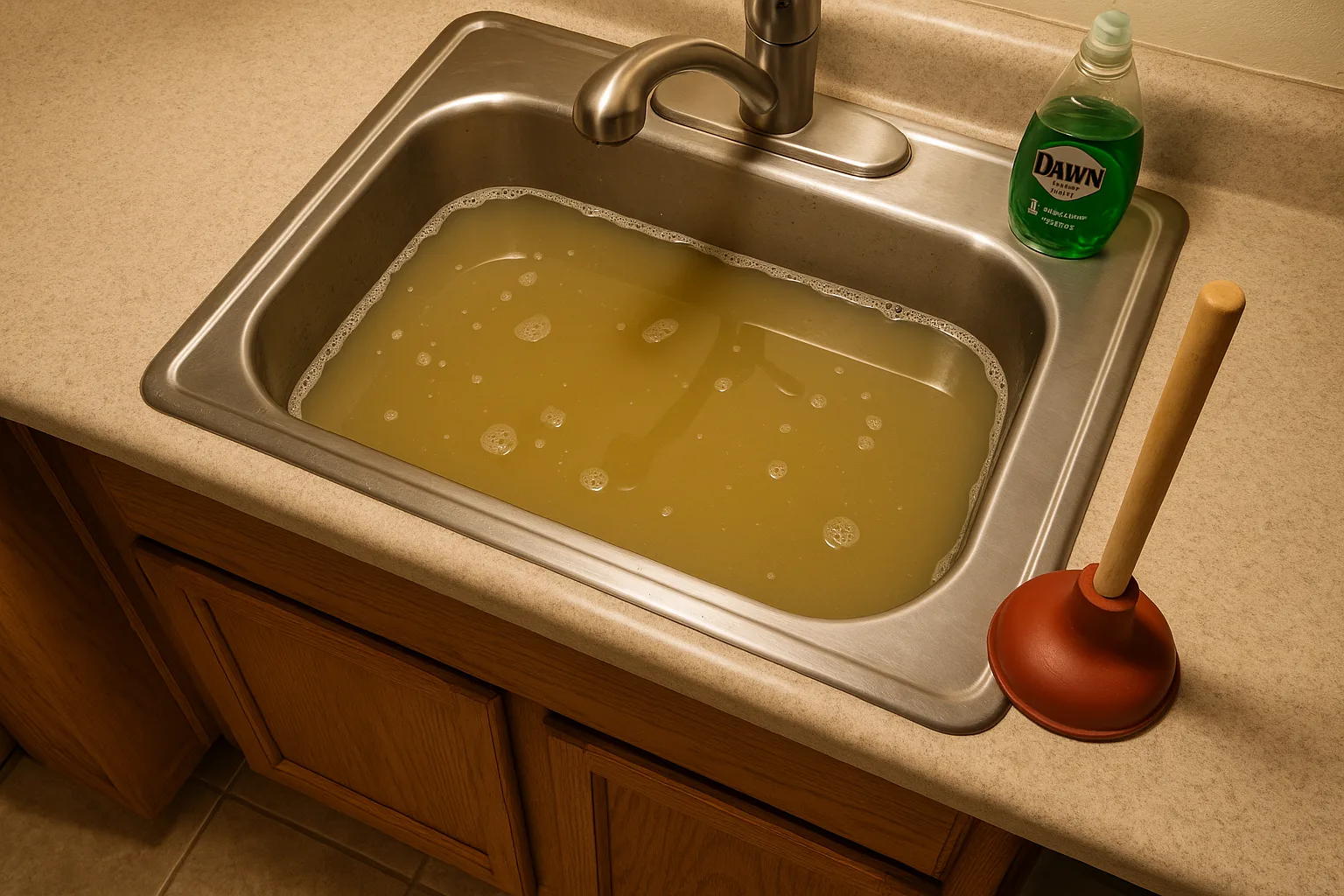
A burst pipe at 2 AM used to cost $200. That same call now runs $750, minimum. Emergency plumbing costs didn't just rise—they did something worse. They became predictable. Price-Quotes Research Lab has been tracking these numbers for three years, and the trajectory isn't subtle.
The Anatomy of a Price Spike
Labor costs in the trades have been climbing since 2021, but 2025 and 2026 marked an inflection point. Master plumbers—the ones who can actually fix complex problems instead of just augering a drain and hoping—are aging out of the workforce faster than apprentices can replace them. The average age of a licensed plumber in the United States now exceeds 45. Training programs haven't kept pace, and community colleges have been cutting vocational courses for a decade.
Supply chain disruptions that began during the shipping crises of 2021 never fully resolved for specialized components. Copper fittings, brass valves, water heaters with heat pump technology—these items saw wholesale prices jump 25-40% between 2024 and early 2026. Plumbers pass those costs forward, and homeowners absorb them with no negotiating leverage. When water is spraying across your basement at midnight, you're not price-comparing.
What You're Actually Paying For
Here's the breakdown that most people never see: A standard emergency service call now averages $175-$250 just to show up, before any work begins. That fee covers the plumber's time, fuel, and the reality that they interrupted their evening or weekend for your crisis. Then comes the hourly rate—typically $125-$185 per hour for emergency after-hours work, up from $85-$110 just four years ago.
Parts markup remains the most opaque part of the transaction. A coupling that costs the plumber $8 wholesale gets charged to you at $35-$45. A toilet fill valve at $12 wholesale becomes $65 installed. Water heater replacement, once a $1,200 job, now regularly exceeds $2,800 when you factor in the unit, installation, permit fees, and disposal of the old equipment. Price-Quotes Research Lab estimates that parts markup alone adds 180-220% to most emergency repair bills compared to actual wholesale costs.
The Insurance Gap
Most homeowners assume their policy covers plumbing emergencies. It doesn't—or at least, not the way they think. Standard homeowner's policies cover sudden water damage from burst pipes, but not the repair costs to fix the pipe itself. You're on the hook for the plumber's bill. Only about 22% of homeowners have any form of service line protection or emergency repair coverage, and those policies typically cap benefits at $10,000-$15,000 per incident—comfortable until you need a full repipe of your main sewer line, which can run $15,000-$30,000 depending on your home's layout.
"The average insurance claim for water damage from a plumbing failure increased 34% in 2025," according to industry loss data tracked by major adjusters. "But the plumbing repair itself—the root cause—remains almost entirely the homeowner's financial responsibility."
Why This Gets Worse Before It Gets Better
The Federal Reserve's ongoing interest rate environment has compressed disposable income across every income bracket. Meanwhile, housing stock continues to age. The median American home is now over 40 years old, and homes built before 1980 have galvanized steel pipes that are well past their intended lifespan. Those pipes are failing. Not in five years. Now. Insurance claims for aging pipe failures have increased 28% year-over-year, and the trend shows no signs of reversing.
Climate volatility is accelerating the problem in unexpected ways. Extreme temperature swings—the kind that went from 70F to 28F in 36 hours across the Midwest last January—cause ground movement that stresses underground sewer lines. Freeze-thaw cycles crack pipes that had decades of life remaining. Plumbers are now being called for problems that would have been routine maintenance five years ago, but are now full excavations requiring heavy equipment and specialized crews.
The One Thing You Should Do Right Now
Before you need a plumber, know exactly who you're calling. Price-Quotes Research Lab aggregates real-time pricing data from licensed plumbers across major metro areas. Get quotes before the emergency. Lock in a relationship with a reputable plumber at regular-hour rates. When something breaks at 11 PM, you want a name in your phone, not a Google search that returns whoever paid the most for search ads.
Also: know your shutoff location. The main water shutoff valve in your home—if it's even functional—can stop the bleeding literally. A $15 quart of emergency pipe sealant and a willingness to watch a five-minute YouTube video might buy you six hours until a plumber can arrive at normal rates. That's the math that saves you $500.
The emergency plumbing market isn't going to moderate on its own. Demand is climbing, supply of qualified labor is shrinking, and material costs have structurally higher floors than they did in 2019. The homeowners who weather the next decade won't be the ones who ignore preventive maintenance. They'll be the ones who treat their plumbing system like the $15,000 asset it actually is.