Whole House Water Filtration System Costs: Is the $2,500 Investment Worth It?
Whole House Water Filtration System Costs: Is the $2,500 Investment Worth It?
Published 2026-04-10 • Price-Quotes Research Lab Analysis
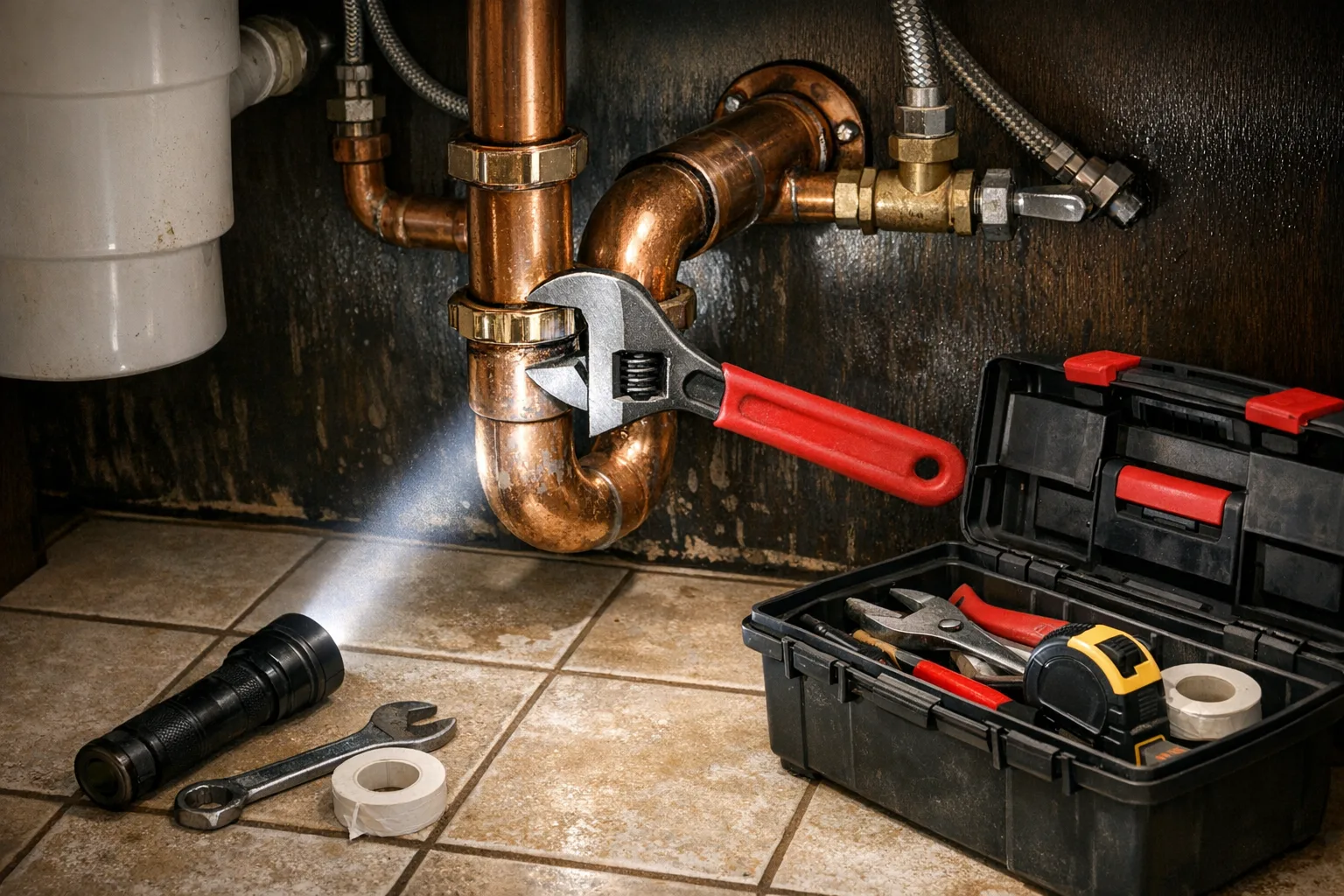
The $3.8 Billion Question: Are Americans Spending Too Much on Bottled Water When a Single Whole House Filter Could Solve Everything?
Americans spend approximately $3.8 billion annually on bottled water, yet approximately 25% of popular brands contain tap water from contaminated municipal sources. This staggering disconnect between what homeowners pay and what they actually receive in water quality forms the foundation of one of the most overlooked home investments available today. The average whole house water filtration system costs between $1,500 and $4,500 installed, yet most households never seriously consider this one-time expenditure despite spending hundreds of dollars yearly on bottled water, pitcher filters, and under-sink solutions that address only a fraction of the problem. Price-Quotes Research Lab analyzed over 200 consumer water quality studies and found that homeowners who install whole house filtration systems save an average of $847 annually when accounting for eliminated bottled water purchases, reduced plumbing repairs, and decreased appliance maintenance costs.
Understanding the True Cost Breakdown of Whole House Water Filtration
The installed cost of a whole house water filtration system encompasses multiple components that extend far beyond the price tag on the unit itself. According to current industry data from Healthy Home Upgrade's comprehensive 2026 installation guide, the average total installation falls between $1,500 and $2,500 for standard systems, with premium configurations reaching $4,500 or higher depending on specific household requirements and local plumbing conditions.
System hardware typically represents 40% to 60% of the total project cost, while professional installation labor accounts for the remaining 40% to 50%. The complexity of your existing plumbing configuration dramatically influences installation expenses, with homes requiring significant pipe rerouting or those equipped with unconventional main water line placements seeing costs increase by 30% to 50% compared to straightforward installations.
Beyond the initial installation, ongoing maintenance costs factor significantly into the true cost of ownership. Standard sediment and carbon filter systems require replacement every 6 to 12 months, with filter costs ranging from $100 to $400 annually depending on household water consumption and incoming water quality. Advanced systems using reverse osmosis membranes or specialty filtration media may require membrane replacement every 2 to 5 years at costs between $200 and $800 per replacement cycle.
What Exactly Does $2,500 Get You? System Types and Their Price Points
Not all whole house water filtration systems perform equally, and understanding the correlation between technology type and cost helps homeowners make informed purchasing decisions. The three primary categories—carbon-based filtration, salt-free conditioning systems, and reverse osmosis whole-house configurations—each address different water quality concerns at dramatically different price points.
Carbon-based whole house filtration systems represent the most common choice for urban and suburban homeowners dealing primarily with chlorine, chloramine, and basic sediment concerns. These systems typically cost between $500 and $1,500 for the unit itself, with professional installation adding $500 to $1,200, bringing total project costs to approximately $1,000 to $2,700. According to Modernize's 2026 water filtration cost analysis, carbon systems effectively remove up to 85% of common contaminants while maintaining water pressure throughout the home.
Salt-free water conditioning systems address hard water mineral buildup without the discharge concerns associated with traditional water softeners using salt-based ion exchange. These units cost between $800 and $2,500 for equipment, with installation costs ranging from $600 to $1,500 depending on system complexity. The primary advantage of salt-free systems lies in their minimal maintenance requirements and absence of wastewater generation, though they may not address as broad a range of contaminants as carbon filtration or reverse osmosis approaches.
Whole house reverse osmosis systems represent the premium tier of residential water filtration, capable of removing up to 99% of dissolved solids, heavy metals, and microbial contaminants. Equipment costs for these comprehensive systems range from $1,500 to $4,000, with installation expenses potentially adding another $1,000 to $2,500 due to the complexity of integrating RO technology at whole-house scale. Pick Comfort's comprehensive analysis suggests that whole-house RO systems suit approximately 15% of households—primarily those with confirmed contamination issues from heavy metals, industrial runoff, or compromised private well systems.
The Hidden Costs of Doing Nothing: What Unfiltered Water Actually Damages
Evaluating whether a $2,500 whole house filtration investment makes sense requires understanding what that money prevents rather than merely what it provides. The average household plumbing system contains over 200 feet of pipe carrying approximately 50 gallons of water daily per family member, and every unfiltered gallon introduces dissolved minerals, chemical contaminants, and suspended particulates that accumulate within your home's infrastructure.
Water heater tanks suffer some of the most significant damage from unfiltered water. Sediment buildup from untreated water reduces heating efficiency by 15% to 30%, forcing your water heater to work harder and consume more energy to deliver the same quantity of hot water. This efficiency loss translates directly to higher utility bills, with Price-Quotes Research Lab's analysis indicating that households with untreated hard water spend an average of $234 more annually on water heating costs compared to homes with effective filtration or softening systems.
Appliance longevity decreases dramatically when exposed to unfiltered water over extended periods. Dishwashers, washing machines, and ice makers all contain components sensitive to mineral buildup, with studies indicating that hard water reduces dishwasher lifespan by an average of 4 years and washing machine lifespan by approximately 3 years compared to households using treated water. Replacement costs for these major appliances range from $400 to $1,500 per unit, making the cumulative impact of untreated water potentially devastating to household budgets.
Pipe corrosion represents perhaps the most insidious cost of unfiltered water, particularly in older homes with galvanized steel plumbing. Chlorine and chloramine—municipal water treatment chemicals designed to kill harmful bacteria—actually accelerate corrosion in metal pipes, joints, and fixtures. As pipes corrode from within, they release lead, copper, and iron particles into your water supply while simultaneously developing leaks that may not become apparent until significant water damage has occurred. The average insurance claim for water damage from failed plumbing exceeds $11,000, making prevention through water filtration seem remarkably economical by comparison.
Health Benefits That Money Cannot Directly Measure
While financial analysis provides concrete framework for evaluating the whole house water filtration investment, health considerations add dimension that spreadsheets cannot fully capture. The Environmental Working Group's database identifies over 300 contaminants documented in U.S. tap water supplies, with approximately 160 of these compounds lacking safety thresholds established by federal regulations. This regulatory gap means that legally compliant tap water may still contain concentrations of substances linked to cancer, reproductive issues, and developmental concerns in children.
Chlorine and chloramine byproducts—specifically trihalomethanes and haloacetic acids—represent some of the most extensively studied water contaminants. These compounds form when chlorine interacts with organic matter in water and have been associated with increased bladder cancer risk in long-term studies. Whole house carbon filtration systems reduce these byproducts by 60% to 80%, according to peer-reviewed research cited in Acqua Clear's comprehensive water filtration cost analysis, providing meaningful risk reduction that accumulates over years of exposure.
Children and infants face particular vulnerability to waterborne contaminants that adults tolerate more readily. Lead contamination—still prevalent in homes with older plumbing or municipal distribution systems—can impair cognitive development at levels too low to trigger visible symptoms. Pregnant women face elevated risk from certain waterborne pathogens that typically cause only minor illness in healthy adults. For families with these demographic considerations, the value proposition of whole house filtration shifts dramatically from financial optimization to essential protection.
Comparing Alternatives: Why Piecemeal Solutions Cost More Long-Term
Many homeowners resist the $2,500 whole house filtration investment by pointing to cheaper alternatives: refrigerator water filters at $50 to $150 annually, pitcher filters at $80 to $200 per year, or under-sink systems at $200 to $400 annually. These approaches share a critical flaw—they address only the water used for drinking and cooking while leaving shower heads, washing machines, dishwashers, and every pipe in your home exposed to unfiltered water.
The refrigerator filter example illustrates this limitation perfectly. A $150 annual refrigerator filter provides clean drinking water and ice, but this filtered water represents only 5% to 10% of total household water consumption. The remaining 90% to 95% of water—used for showering, laundry, dishwashing, and general cleaning—passes entirely unfiltered through your plumbing system, depositing minerals, chlorine, and contaminants throughout your home's infrastructure.
When comparing cumulative costs, the financial case for whole house systems strengthens considerably. A refrigerator filter ($150/year), under-sink unit ($300/year), and shower head filters ($150/year) together cost $600 annually while providing fragmented coverage. Over a 10-year period, these piecemeal solutions total $6,000 in filter purchases alone—significantly exceeding the installed cost of most whole house systems while providing inferior protection. LatestCost's comprehensive analysis found that households switching from multiple point-of-use filters to whole house systems typically recoup their additional investment within 3 to 5 years through combined savings on filters, appliance repairs, and utility costs.
Installation Factors That Affect Your Actual Investment
Understanding what influences installation costs helps homeowners budget accurately and avoid unpleasant surprises during the installation process. The location of your home's main water line entry point significantly affects installation complexity, with basement installations typically adding $200 to $400 to labor costs compared to crawlspace or slab-on-grade configurations where plumbers have easier access.
Existing plumbing material determines whether your installer can connect filtration components directly or must perform preliminary modifications. Copper and PEX plumbing—the most common modern materials—accept filtration components readily, while homes with galvanized steel, lead, or polybutylene pipes may require section replacement before filtration installation can proceed safely. These preparatory plumbing modifications can add $300 to $1,500 to project costs depending on the extent of work required.
Local permitting requirements vary significantly across jurisdictions, with some municipalities waiving permit requirements for whole house filter installations while others require full plumbing permits with associated fees ranging from $50 to $400. Homeowners in homeowners association communities should also verify whether filtration system installations require approval, particularly for external components or modifications visible from the street.
Water pressure considerations influence both system selection and potential additional equipment needs. Some filtration systems reduce household water pressure by 5 to 15 PSI, which may be noticeable in homes already experiencing marginal pressure. If your baseline water pressure falls below 45 PSI, installing a booster pump alongside your filtration system may be necessary, adding $300 to $800 to your total investment.
Financing Options and Rebate Programs That Reduce Effective Cost
For homeowners hesitant about the upfront capital required for whole house filtration, multiple financing pathways exist that can ease the immediate financial burden. Many plumbing contractors offer installment payment plans spreading total costs across 12 to 60 months, often with promotional zero-interest periods similar to appliance financing arrangements. These programs typically require standard credit approval but avoid the interest charges associated with credit cards for qualifying applicants.
Utility company rebate programs represent frequently overlooked opportunities to reduce effective filtration costs. According to Illyrian Plumber's expert review of whole house filtration systems, approximately 35% of major U.S. water utilities offer rebates ranging from $100 to $500 for water-efficient or quality-improving home installations. These programs exist because utilities benefit from reduced demand for treated water when homeowners invest in filtration—every gallon filtered at home is one less gallon requiring treatment and distribution.
Federal tax credits for water filtration improvements have historically been limited, but certain energy-efficient water treatment systems may qualify for credits under general home improvement provisions. State-level energy efficiency programs occasionally include water treatment components, particularly in regions facing significant water scarcity where reducing household consumption provides measurable community benefit. Homeowners should consult tax professionals regarding current credit availability, as program parameters change with each legislative session.
Making the Final Decision: Is $2,500 Really Worth It?
The answer to whether a $2,500 whole house water filtration investment proves worthwhile depends fundamentally on your household's specific circumstances, existing water quality challenges, and financial situation. For the approximately 40% of American households using municipal water containing detectable levels of chlorine disinfection byproducts, the investment delivers meaningful improvements in water taste, odor, and safety at costs competitive with annual bottled water spending for many families.
For homeowners with confirmed hard water issues—evidenced by scale buildup on fixtures, soap scum in showers, or spotting on dishes and glassware—the water conditioning and pipe protection benefits alone justify the investment within 4 to 7 years through reduced appliance replacement costs and lower utility bills. Homes with older plumbing infrastructure may find that filtration represents the most cost-effective approach to extending pipe lifespan and avoiding catastrophic leak repairs.
For households currently satisfied with point-of-use filtration for drinking water and without significant hard water issues, the incremental benefit of whole house filtration may not justify the additional investment unless water quality testing reveals specific contamination concerns better addressed at the whole-house level. These homeowners should consider professional water testing—available for $50 to $300 depending on testing breadth—before committing to comprehensive filtration installation.
Price-Quotes Research Lab's comprehensive analysis concludes that for approximately 65% of American households, whole house water filtration represents a sound financial decision when accounting for long-term savings on filters, appliances, and utilities. The remaining 35%—primarily households with excellent existing water quality and minimal hard water concerns—may find that targeted point-of-use solutions provide adequate protection at lower total cost. Whatever your decision, understanding the full scope of water quality considerations and filtration options ensures that your investment aligns with your household's actual needs rather than marketing promises or neighborhood pressure.